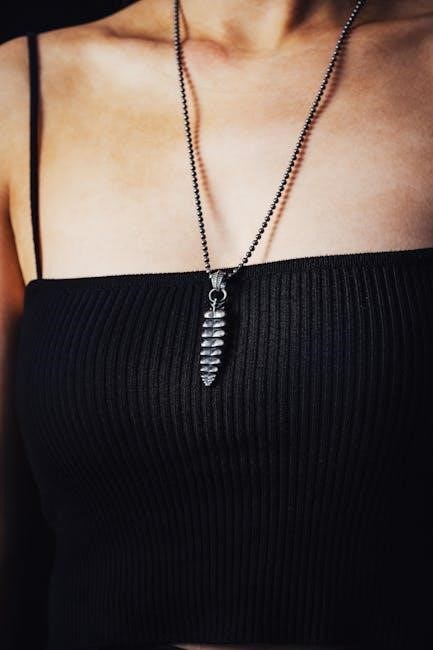
Pendant Size Guide: Finding the Perfect Fit
Navigating pendant sizes involves understanding length, width, and how they complement necklace chains and body types. Explore resources like YouTube for helpful tips and tutorials on selecting the ideal pendant.
Understanding Pendant Dimensions
Pendant dimensions aren’t simply about length and width; they encompass a three-dimensional understanding of height, depth, and overall volume. These factors significantly impact how a pendant sits on the neckline and harmonizes with the wearer’s physique. Accurate measurement is crucial, often requiring a string or ruler to determine the precise size before purchase.
Consider that pendants aren’t always uniform. Complex designs with intricate details or multiple elements will have varying dimensions compared to simpler, streamlined pendants. The ‘bail’ – the loop connecting the pendant to the chain – also contributes to the overall length and affects how the pendant hangs. YouTube resources highlight the importance of visualizing the pendant’s size relative to your body.
Furthermore, understanding the units of measurement (millimeters or inches) is vital. Online retailers often provide detailed specifications, but discrepancies can occur. Always double-check the measurements and, if possible, compare them to a familiar object to gauge the actual size. A clear grasp of these dimensions ensures a satisfying and proportionate aesthetic.
Measuring Pendant Length and Width
Accurate measurement of pendant length and width is fundamental to ensuring a perfect fit. Begin by laying the pendant flat on a ruler or using a precise measuring tape. Length is typically measured from the top of the bail (the loop for the chain) to the lowest point of the pendant’s design. Width is determined at the widest part of the pendant, ensuring the tape or ruler follows the contour of the design.
For irregularly shaped pendants, measuring can be slightly more complex. Take multiple measurements across different points and average them for a more accurate representation. Remember to note the units of measurement – millimeters are common for detailed specifications, while inches may be used for broader estimations. Resources like YouTube tutorials demonstrate practical measurement techniques.
When purchasing online, rely on the retailer’s provided dimensions. If measurements are unclear, contact customer support for clarification. Comparing the pendant’s dimensions to a familiar object, like a coin or ruler, can also provide a helpful visual reference. Precise measurements prevent disappointment and guarantee a pendant that complements your style.
Common Pendant Sizes and Their Uses
Pendant sizes generally fall into three broad categories: small, medium, and large, each suited for different occasions and styles. Small pendants (under 20mm) are ideal for minimalist looks, everyday wear, and delicate necklaces. They often feature simple designs like solitaire stones or small geometric shapes.
Medium pendants (20mm-40mm) offer versatility, working well with various necklines and chain lengths. These are popular for showcasing personalized pendants, birthstones, or moderately detailed designs. They strike a balance between subtlety and visibility, suitable for both casual and semi-formal settings.
Large pendants (over 40mm) make a bold statement, perfect for special occasions or individuals who prefer a dramatic look. These often feature intricate designs, larger gemstones, or substantial metalwork. They pair best with longer chains and simpler outfits to avoid overwhelming the overall aesthetic. YouTube resources can visually demonstrate the impact of different sizes.
Ultimately, the “right” size depends on personal preference, body type, and the desired effect. Consider the pendant’s purpose and how it will integrate with your existing jewelry collection.
Pendant Size Based on Necklace Chain Length
Selecting a pendant requires careful consideration of the necklace chain length; A delicate, shorter chain (14-16 inches) typically pairs best with a smaller, more understated pendant – around 10-20mm – to maintain proportion and avoid a cluttered appearance.
For medium-length chains (18-20 inches), a medium-sized pendant (20-35mm) offers a balanced look. This length provides enough space for a more noticeable design without appearing overwhelming. It’s a versatile choice for everyday wear and various necklines.
Longer chains (22 inches and above) can accommodate larger, statement pendants (35mm+). The extra length allows the pendant to hang at a flattering position, creating visual interest and drawing attention to the neckline. However, ensure the pendant’s weight is appropriate for the chain’s strength.
Remember to visualize the overall effect. Resources like YouTube tutorials can demonstrate how different pendant sizes interact with varying chain lengths, helping you achieve a harmonious and stylish look. Proportionality is key to a polished aesthetic.
Pendant Size and Body Type Considerations
Choosing a pendant that complements your body type enhances your overall appearance. For individuals with a delicate frame, smaller, more refined pendants (under 25mm) are generally more flattering, preventing the jewelry from overpowering their build. These create a balanced and elegant look.
Those with a fuller figure can confidently wear larger, bolder pendants (35mm and above) to make a statement. Larger pendants provide visual balance and don’t get lost against a broader silhouette. Consider pendants with substantial presence.
Height also plays a role. Taller individuals can carry off larger pendants and longer chains without appearing disproportionate. Shorter individuals might find that smaller pendants and shorter chains are more harmonious with their frame.
Ultimately, personal preference is paramount. However, understanding how pendant size interacts with your body type can guide you toward choices that enhance your natural features. Online resources, including YouTube style guides, offer visual examples to aid your decision.
Pendant Size for Different Necklines
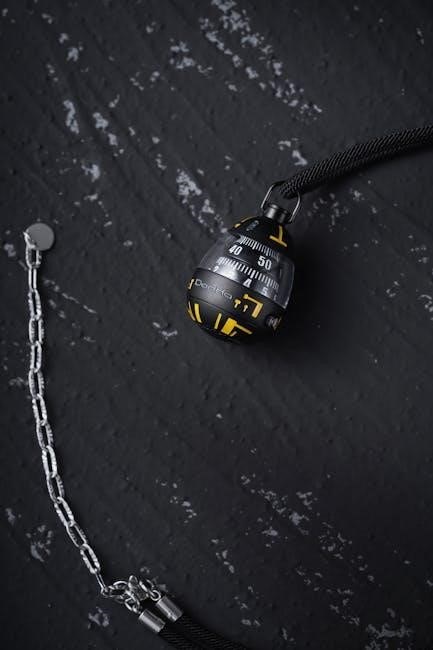
Selecting a pendant size that harmonizes with your neckline is crucial for a polished look. High necklines, like turtlenecks or crew necks, pair well with longer pendants (50mm+) that create a vertical line, elongating the neck and adding visual interest.
V-necklines benefit from pendants that echo the ‘V’ shape, or smaller, delicate pendants (under 20mm) that fill the space without overwhelming the neckline. A pendant that sits within the ‘V’ is particularly flattering.
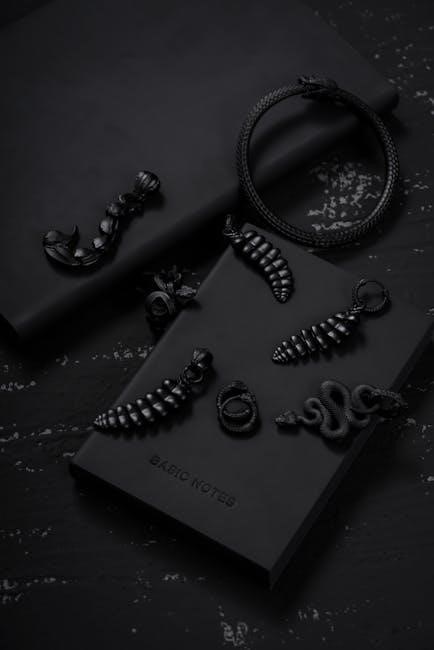
For scoop necklines, a medium-sized pendant (25-35mm) works beautifully, filling the open space without being too dominant. Consider pendants with a similar curve to the neckline.
Strapless or off-the-shoulder tops allow for bolder statement pendants (40mm+) to take center stage. These necklines provide a blank canvas for showcasing larger, more elaborate designs. Remember to consider chain length alongside pendant size for optimal balance. YouTube tutorials can visually demonstrate these pairings.
Materials and How They Affect Perceived Size
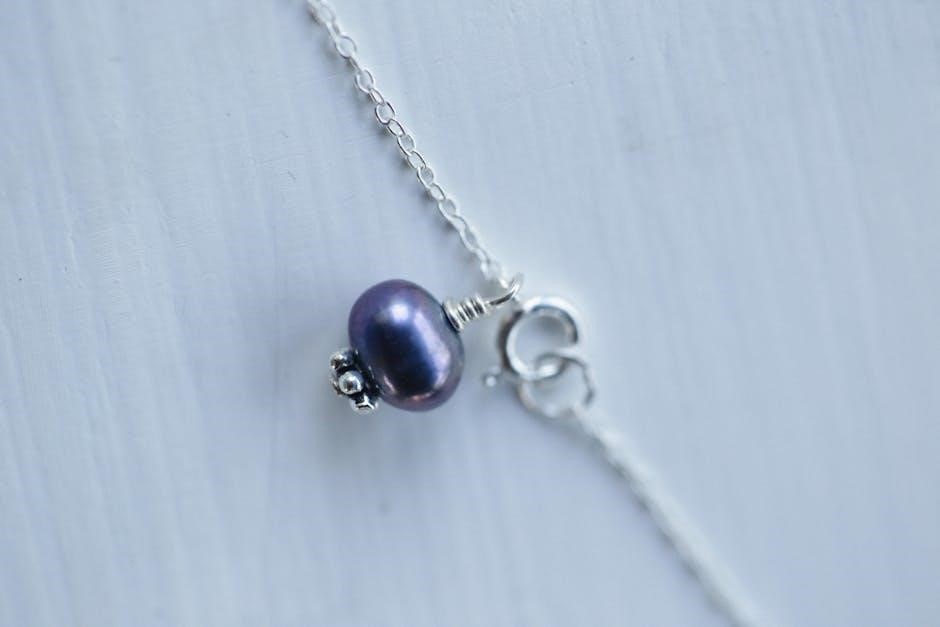
The material of a pendant significantly impacts how large it appears, differing from its actual dimensions. Heavier materials like sterling silver or gold tend to look larger than lighter materials like acrylic or resin, even if they share the same measurements. This is due to their visual weight and how they catch the light.
Hollow pendants, regardless of material, will generally appear smaller than solid pendants of the same size. The internal space reduces the overall mass and visual impact.
Gemstones, particularly those with high refractive indices (like diamonds), can make a pendant seem larger and more brilliant. Their sparkle draws the eye and creates a sense of expansiveness.
Matte finishes tend to minimize perceived size, while polished finishes enhance it. Consider the setting style too; a bezel setting can make a stone appear smaller, while a prong setting allows more light to enter, increasing its perceived size. Resources like YouTube offer visual comparisons of material effects.
Visual Weight vs. Actual Size
Understanding the difference between a pendant’s visual weight and its actual size is crucial for achieving a balanced look. A pendant can be physically small but appear substantial due to its design, material, or color. Conversely, a larger pendant might feel delicate if it’s crafted from lightweight materials or features an openwork design.
Darker colors and bold designs generally carry more visual weight, making a pendant seem larger than it is. Conversely, lighter colors and minimalist designs tend to have less visual impact.
The shape also plays a role. A wide, flat pendant will appear more substantial than a tall, narrow one, even if they have the same surface area. Complex designs with many details add visual weight, while simpler designs feel lighter.
Consider how the pendant interacts with your clothing. A heavy visual weight can be overpowered by a busy outfit, while a lighter weight might get lost. Online resources, including YouTube tutorials, demonstrate these principles visually.
Popular Pendant Shapes and Size Ranges
Common pendant shapes each lend themselves to specific size ranges for optimal visual appeal. Round pendants frequently range from 8mm to 12mm in diameter for a delicate look, scaling up to 15mm-20mm for bolder statements. Heart-shaped pendants typically measure between 10mm and 25mm in height and width, depending on desired prominence.
Bar pendants, a modern favorite, often span 20mm to 60mm in length, with widths varying from 3mm to 8mm. Teardrop pendants generally fall between 15mm and 30mm in length. Geometric shapes like squares and triangles commonly range from 10mm to 20mm per side.
Larger pendants, exceeding 30mm, are best suited for longer chains and broader necklines. Smaller pendants, under 10mm, work well with delicate chains and more modest outfits. Remember that these are guidelines; personal preference is key.
Exploring visual examples on platforms like YouTube can help determine which shapes and sizes best complement your style and body type.
Choosing a Pendant Size for a Statement Look
Creating a statement with a pendant requires careful consideration of size and proportion. Generally, pendants larger than 30mm (1.2 inches) are considered statement pieces, commanding attention and becoming the focal point of your outfit. Bold geometric shapes, oversized hearts, or substantial gemstone pendants fall into this category.
To truly make an impact, pair a large pendant with a longer chain – 18 inches or more – allowing the pendant to hang prominently. Consider the neckline of your clothing; lower necklines can accommodate larger pendants without appearing overwhelming. Conversely, higher necklines may require a slightly smaller statement piece.
Don’t be afraid to experiment with asymmetrical designs or pendants featuring multiple elements. The key is confidence and ensuring the pendant complements, rather than clashes with, your overall style. Resources like YouTube tutorials can offer visual guidance on achieving a balanced and impactful look.
Remember, a statement pendant is an expression of personality, so choose a size and design that resonates with you.
Pendant Size for Minimalist Styles
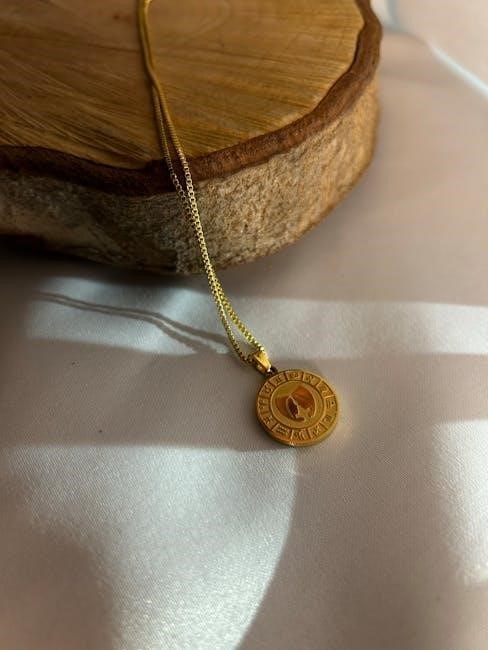
Embracing minimalism in pendant selection centers around delicate designs and understated elegance. Pendants under 20mm (0.8 inches) are typically favored for a minimalist aesthetic, offering a subtle touch of adornment without overwhelming the neckline. Think delicate bars, tiny geometric shapes, or small solitaire gemstones.
For a truly minimalist look, opt for a shorter chain length – 14 to 16 inches – allowing the pendant to sit close to the collarbone. This creates a refined and sophisticated appearance. Fine chains, often in gold or silver, complement these smaller pendants beautifully.
Layering multiple delicate pendants is a popular minimalist trend, but ensure they remain proportionate and don’t compete for attention. Consider varying the lengths slightly for a more dynamic effect. Resources like YouTube can demonstrate effective layering techniques.
The goal is to achieve a ‘less is more’ approach, where the pendant enhances your natural beauty without being overly conspicuous. Choose quality over quantity, and prioritize timeless designs.
The Role of Bail Size in Overall Pendant Appearance
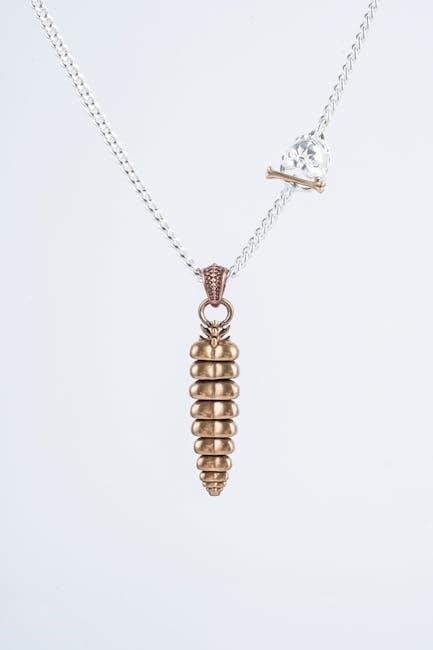
The bail, the loop connecting the pendant to the chain, significantly impacts its overall look and how it hangs. A larger bail can visually increase the pendant’s length and create more movement, while a smaller, more discreet bail maintains a cleaner, streamlined appearance.
Consider the chain’s thickness when selecting a bail size. A delicate chain requires a proportionally smaller bail to avoid looking unbalanced. Conversely, a heavier chain can support a larger, more substantial bail. The bail should seamlessly integrate with both the pendant and the chain.
Bail design also plays a role. Decorative bails add extra sparkle or detail, while simple, closed bails offer a more secure and understated look. Some pendants feature integrated bails, where the bail is part of the pendant’s design itself.
YouTube tutorials often showcase how different bail sizes affect pendant presentation. Experimenting with various bail options can dramatically alter the pendant’s aesthetic, so careful consideration is key to achieving the desired effect.
Comparing Pendant Sizes: Small, Medium, Large
Pendant sizes are generally categorized as small, medium, and large, each suited for different styles and occasions. Small pendants, typically under 1 inch in length, are ideal for minimalist looks and everyday wear, offering subtle elegance without being overpowering.
Medium pendants, ranging from 1 to 2 inches, strike a balance between visibility and subtlety. They’re versatile enough for both casual and more dressed-up outfits, making them a popular choice for various necklines. These sizes often feature more intricate designs.
Large pendants, exceeding 2 inches, make a bold statement and are best suited for special occasions or individuals who prefer a dramatic look. They often serve as the focal point of an outfit and pair well with simpler chains.
Resources like YouTube can visually demonstrate these size differences. Consider your body type and personal style when choosing. Larger pendants may overwhelm smaller frames, while smaller pendants might get lost on larger builds.
Resources for Visualizing Pendant Sizes
Accurately gauging pendant size can be challenging without a visual reference. Thankfully, numerous online resources assist in this process. Many jewelry retailers provide detailed product images with measurements clearly displayed, often including photos of pendants worn by models for scale.
YouTube offers a wealth of video content demonstrating pendant sizes on different body types and necklines. Searching for “pendant size guide” or “necklace length comparison” yields helpful tutorials and reviews. These videos often showcase pendants alongside rulers or common objects for size context.
Online forums and communities dedicated to jewelry enthusiasts frequently feature discussions and shared photos of pendants, allowing you to compare sizes and get opinions from experienced buyers. Pinterest boards curated with pendant styles can also provide visual inspiration.
Utilizing these resources, alongside measuring a string to the desired length as suggested by online guides, ensures a more informed purchasing decision and minimizes the risk of selecting a pendant that doesn’t meet your expectations.
Where to Find Detailed Pendant Measurements Online
Locating precise pendant measurements requires knowing where to look. Reputable online jewelry retailers consistently provide comprehensive product specifications, including pendant length, width, and sometimes even depth. Look for dedicated “Details” or “Specifications” tabs on product pages.
Etsy, while hosting numerous independent sellers, often features detailed measurements in individual listings. Always check the “Item Details” section, and don’t hesitate to message the seller directly for clarification if needed. Larger jewelry marketplaces like Amazon also typically include dimensions, though consistency can vary.
Brand websites are excellent sources, often offering precise measurements alongside high-resolution images. YouTube creator descriptions sometimes link to product pages with detailed specifications. Remember to verify measurements are in a unit you understand (inches or millimeters).
Before finalizing a purchase, cross-reference measurements across multiple sources if possible. This ensures accuracy and helps you visualize the pendant’s true size relative to your body and preferred necklace length.