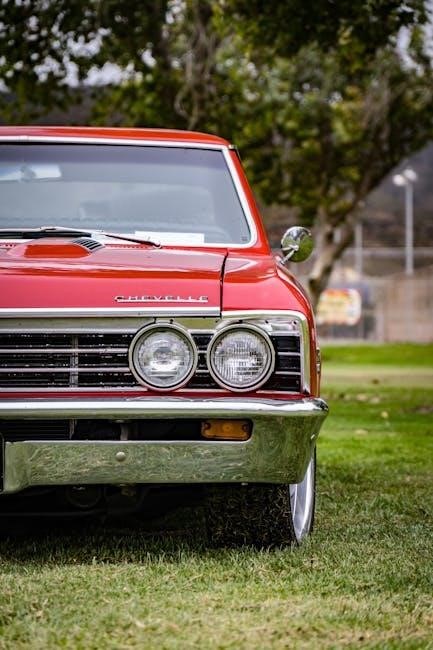
Chevrolet provides comprehensive owner’s manuals detailing safe operation and servicing, alongside genuine parts information for both drivers and service personnel.
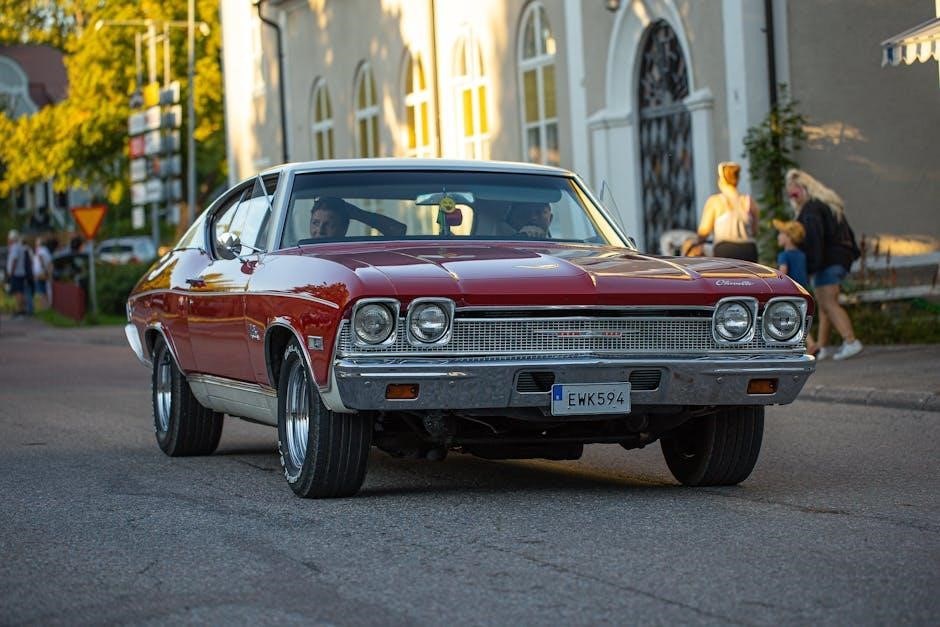
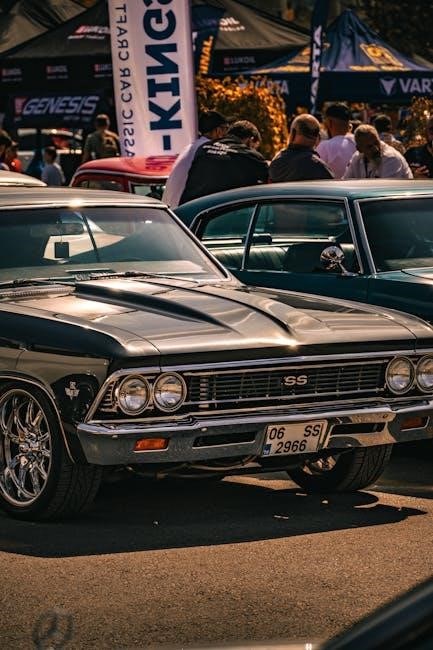
A recent Chevelle SS clone, powered by an LS engine, showcased the vehicle’s enduring appeal and potential for modern performance enhancements, inspiring enthusiasts.
Historical Significance & Overview
The 1966 Chevrolet Chevelle SS arrived during the peak of the muscle car era, quickly establishing itself as a formidable competitor. Chevrolet’s commitment to providing detailed owner’s manuals – covering safe operation, repair, and genuine parts – underscored their dedication to customer support from the outset.
This model wasn’t merely about raw power; it represented a shift towards offering performance within a more attainable package. The emergence of vehicles like John Barkley’s LS-powered Chevelle SS clone demonstrates the lasting impact and adaptability of the platform. It quickly became a symbol of American automotive enthusiasm.
Early adopters benefited from readily available information regarding vehicle maintenance and safe usage. The Chevelle SS’s historical importance lies in its ability to blend performance, style, and accessibility, solidifying its place in automotive history and continuing to inspire modern restorations and modifications.
Why the 1966 Chevelle SS Remains Iconic
The 1966 Chevelle SS continues to captivate enthusiasts due to its timeless design and inherent potential for customization, as exemplified by modern builds like the LS-powered clone. Chevrolet’s early focus on comprehensive owner’s manuals – detailing safe operation and repair procedures – fostered a strong community around the vehicle.
Its enduring appeal stems from a unique combination of classic muscle car aesthetics and a platform readily adaptable to modern performance upgrades. The availability of detailed information, both historically through Chevrolet and currently via enthusiast resources, ensures the Chevelle SS remains accessible to both restorers and modifiers.
The vehicle’s legacy is further cemented by its cultural impact, representing an era of American automotive innovation and a passion for powerful, stylish vehicles. This blend of history, performance, and community keeps the 1966 Chevelle SS firmly cemented in automotive icon status.
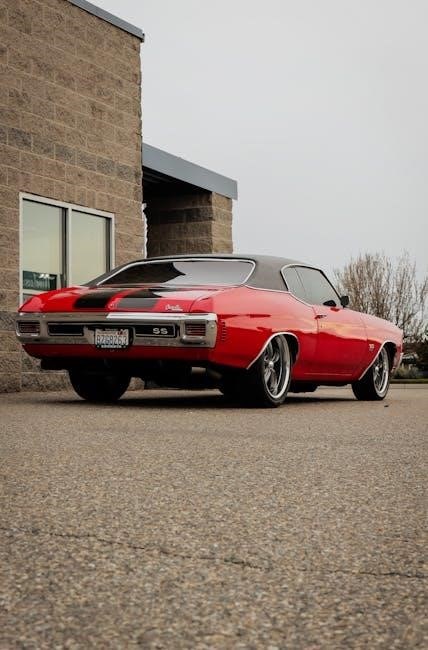
Technical Specifications & Engine Options
Chevrolet offered diverse engine choices, including the potent 396 and 327, alongside varied transmission options, catering to different performance preferences and driver needs.
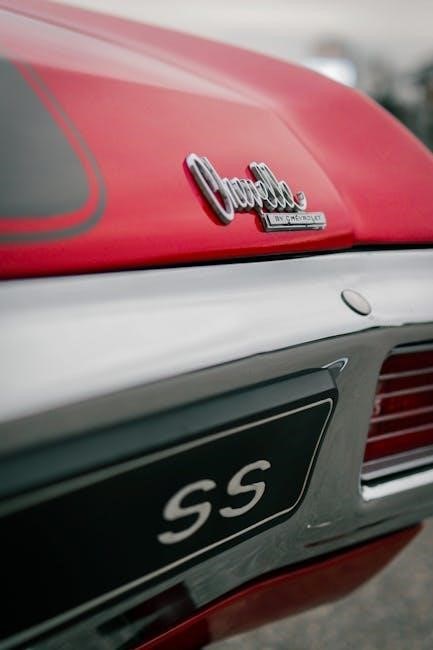
Available Engines: 396, 327, and Others
The 1966 Chevelle SS boasted a range of engine options, catering to diverse performance desires. The cornerstone was the legendary 396 cubic inch V8, available in various states of tune, including a high-performance version delivering substantial horsepower and torque. This engine quickly became synonymous with the SS model, offering exhilarating acceleration and a commanding presence.
Alongside the 396, the 327 cubic inch V8 was also a popular choice, providing a balance of performance and affordability. Different iterations of the 327 were offered, ranging from a standard output to higher-performance variants with improved cylinder heads and camshafts. Lesser-known, but available, were smaller displacement engines, though these were less common in true SS models.
Understanding the engine code is crucial for identification. These codes, stamped on the engine block, reveal the specific engine configuration and horsepower rating. Careful examination of these codes allows enthusiasts to verify the authenticity of an SS’s powerplant and its original specifications.
Transmission Choices: Manual & Automatic
The 1966 Chevelle SS offered buyers a choice between manual and automatic transmissions, allowing for a personalized driving experience. For those seeking maximum control and engagement, a four-speed manual transmission was available, providing precise gear selection and a direct connection to the engine’s power. This option was favored by enthusiasts prioritizing performance and driver involvement.
However, the majority of Chevelle SS models were equipped with a Turbo Hydra-Matic automatic transmission. This transmission offered smooth and effortless shifting, making it ideal for both cruising and spirited driving. Different versions of the automatic were available, with some offering enhanced shift points for improved acceleration.
The selection of transmission significantly impacted the vehicle’s overall driving characteristics. Matching the transmission to the engine and intended use was key to optimizing performance. Identifying the original transmission type is important during restoration, often verified through codes found on the transmission case.
Factory Performance Statistics
Chevrolet didn’t widely publicize detailed performance figures for the 1966 Chevelle SS, but testing and period reviews provide valuable insights. The 396 cubic inch engine, particularly the L34 variant, delivered impressive power. Quarter-mile times typically ranged from the low to mid-14 second range, depending on gearing and tire conditions.
The 327 cubic inch engine offered a more moderate performance profile, with quarter-mile times generally falling in the 15-16 second bracket. Acceleration from 0 to 60 mph varied significantly based on engine choice and transmission, but figures around 6-8 seconds were achievable with the larger engines and manual transmissions.
These statistics positioned the Chevelle SS as a formidable muscle car contender. Factory documentation and original sales materials focused more on the vehicle’s style and features than precise performance numbers, reflecting the marketing priorities of the era.
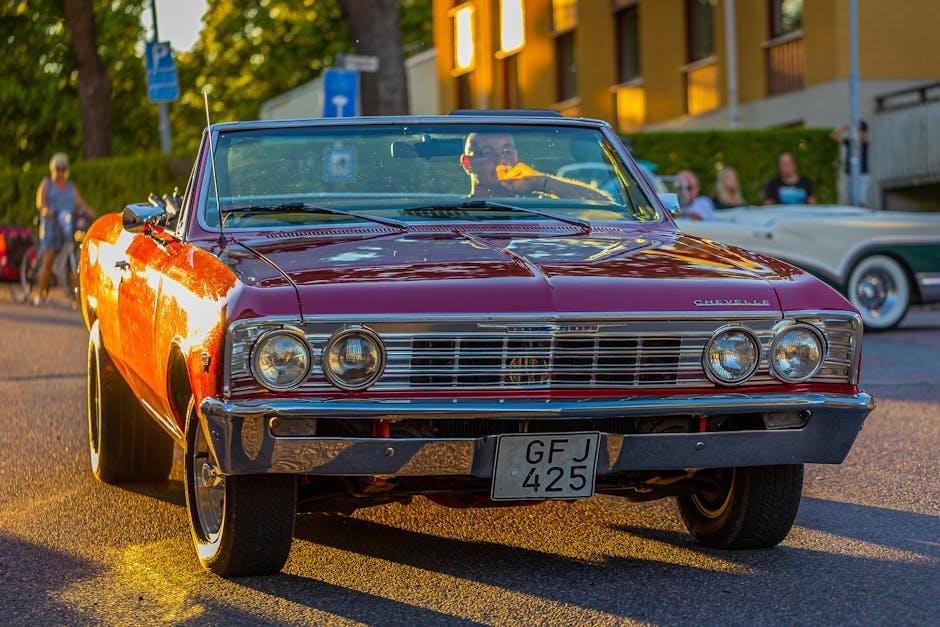
Restoration & Maintenance Guide
Genuine parts sourcing and meticulous attention to detail are crucial for authentic 1966 Chevelle SS restoration, ensuring originality and preserving its historical value.
Identifying Authentic 1966 Chevelle SS Parts
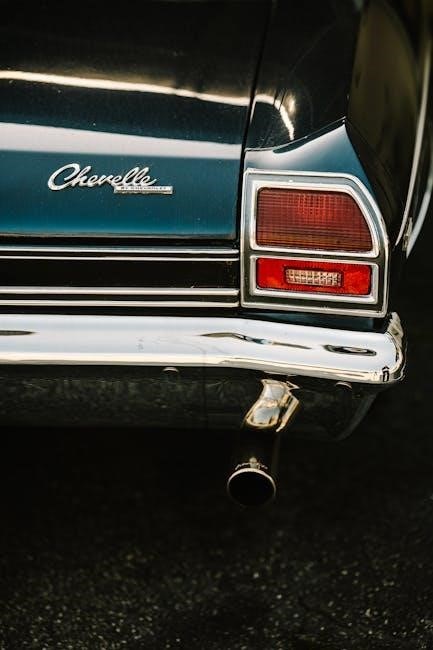
Authenticating 1966 Chevelle SS components requires diligent research and a keen eye for detail. Original parts often bear specific date codes and manufacturer markings, crucial for verifying their legitimacy. Chevrolet’s owner manuals and parts catalogs serve as invaluable references during the identification process.
Pay close attention to casting numbers found on engine blocks, cylinder heads, and transmissions. These numbers, when cross-referenced with factory documentation, can confirm the part’s original application and production date. Similarly, inspect trim pieces, badges, and interior components for correct finishes, materials, and attachment methods.
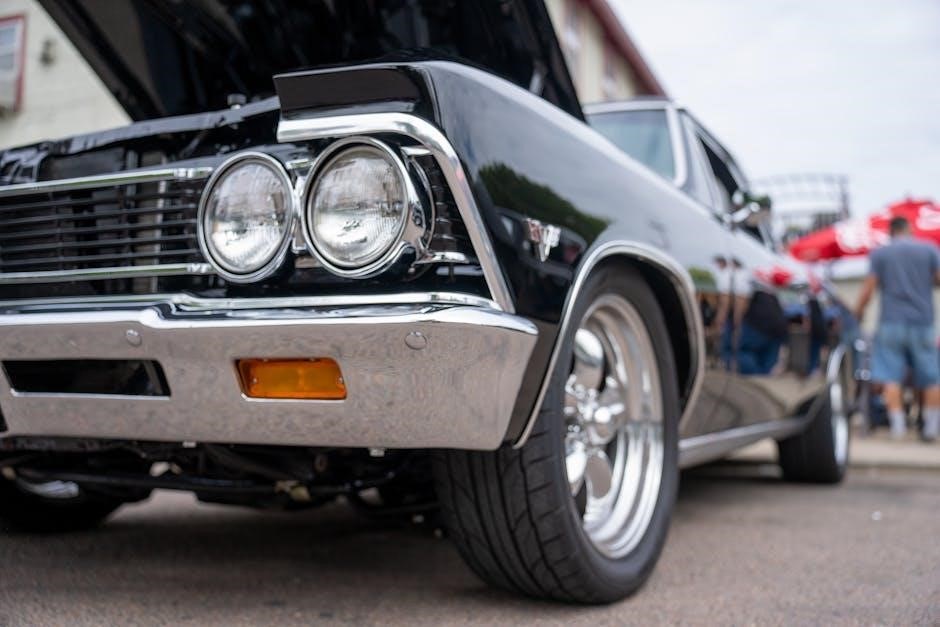
Beware of reproductions, as quality can vary significantly. Genuine parts typically exhibit a higher level of craftsmanship and material integrity. Consulting with experienced restorers and utilizing online forums dedicated to Chevelle restoration can provide valuable insights and assistance in identifying authentic components. Thorough documentation of all findings is essential for maintaining a verifiable restoration.
Common Restoration Challenges & Solutions
Restoring a 1966 Chevelle SS often presents unique hurdles. Rust repair, particularly in floor pans, rocker panels, and quarter panels, is frequently encountered, demanding skilled welding and metal fabrication. Sourcing correct replacement parts can also prove difficult, with many original components becoming scarce or prohibitively expensive.
Accurate paint matching is another challenge, as original colors may have faded or been altered over time. Utilizing paint codes and consulting with automotive paint specialists is crucial for achieving an authentic finish. Interior restoration requires careful attention to detail, including locating correct upholstery patterns and materials.
Solutions involve meticulous research, utilizing reputable parts suppliers, and seeking guidance from experienced restorers. Employing modern techniques, such as media blasting for rust removal and epoxy primers for corrosion protection, can enhance the restoration’s longevity and quality. Patience and a commitment to accuracy are paramount throughout the process.
Essential Maintenance Schedule
Maintaining a 1966 Chevelle SS requires a consistent schedule to ensure optimal performance and longevity. Every 3,000 miles, change the engine oil and filter, inspecting for leaks simultaneously. The air filter should be replaced every 12,000 miles, or more frequently in dusty conditions. Regularly check and adjust valve clearances, particularly on engines with mechanical lifters.
Inspect the cooling system every six months, checking coolant levels, hoses, and the radiator for leaks or damage. Lubricate all chassis components, including steering linkages and suspension parts, annually. Brake inspections should occur every 6,000 miles, checking pads, shoes, lines, and fluid levels.
Periodically examine the fuel system for leaks and ensure proper carburetor function. Following this schedule, alongside referencing the original Chevrolet owner’s manual, will preserve the vehicle’s condition and reliability for years to come.
Performance Upgrades & Modifications
LS engine swaps are popular, alongside suspension and braking enhancements, offering modern reliability and performance. Customization options abound for both exterior and interior aesthetics.
Modern Engine Swaps (LS Series)
LS engine swaps have become incredibly prevalent in the 1966 Chevelle SS restoration and modification community, offering a compelling blend of classic aesthetics and modern power. The reliability and readily available aftermarket support of LS series engines – such as the LS1, LS2, LS3, and even newer variants – make them a logical upgrade.
Successful swaps require careful planning, including selecting the appropriate engine mount adapters, transmission compatibility considerations (often necessitating a modern transmission like a 4L80E or 6L80E), and addressing the vehicle’s wiring harness and fuel system.
Many companies specialize in LS swap kits specifically designed for the 1966 Chevelle, simplifying the process. These kits typically include engine mounts, headers, fuel lines, and wiring solutions. Properly addressing the cooling system is also crucial, often requiring an aluminum radiator and electric fans to handle the increased heat output of the LS engine. Careful attention to detail ensures a seamless integration of modern power into this iconic muscle car.
Suspension & Braking System Upgrades
Enhancing the handling and stopping power of a 1966 Chevelle SS is crucial, especially when paired with a modern engine swap. Original suspension components were adequate for their time, but benefit significantly from upgrades. Popular choices include installing tubular control arms, upgraded sway bars, and modern shocks and springs.
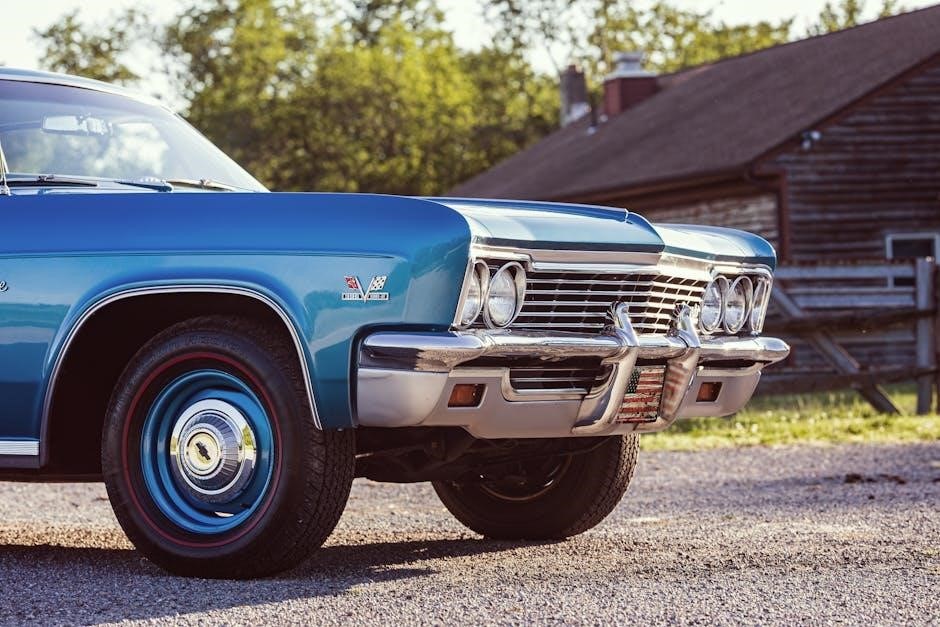
These modifications improve cornering stability and reduce body roll, resulting in a more confident driving experience. For braking, disc brake conversions are highly recommended, replacing the factory drum brakes on all four wheels. Kits are readily available and provide vastly improved stopping performance and fade resistance.
Power steering upgrades, such as a modern steering box or rack-and-pinion system, can also enhance drivability. When undertaking these upgrades, ensure all components are properly matched and installed to maintain vehicle safety and handling balance. Careful consideration of ride height and alignment is also essential.
Exterior & Interior Customization Options
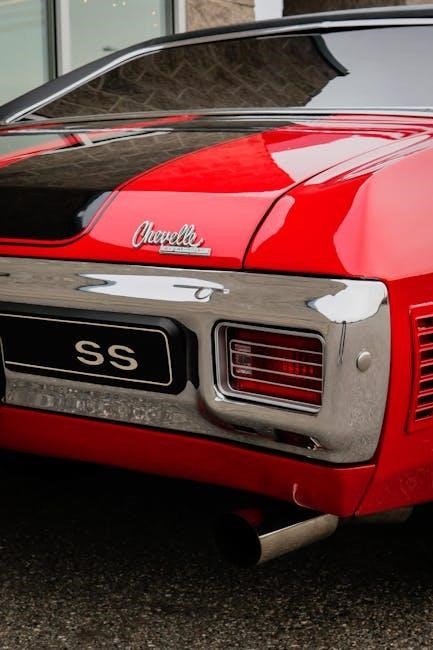
Personalizing a 1966 Chevelle SS extends beyond mechanical upgrades. Exterior customization ranges from subtle enhancements like modern LED lighting and custom wheels, to more extensive modifications such as body kits and paint schemes. Restoring the original exterior aesthetics is also a popular choice, maintaining the car’s classic appeal.
Interior customization offers opportunities to blend vintage style with modern comfort. Options include upgrading the seats with supportive aftermarket designs, installing a modern sound system with Bluetooth connectivity, and adding custom gauges for enhanced monitoring. Retrimming the interior in premium materials like leather or suede elevates the overall driving experience.
Careful consideration should be given to maintaining the car’s overall theme and ensuring customizations complement its classic character. Quality craftsmanship and attention to detail are key to achieving a cohesive and aesthetically pleasing result.
Valuation & Collectibility
Chevelle SS value hinges on factors like originality, condition, and engine specifications; market trends and auction results significantly influence pricing for collectors.
Factors Affecting 1966 Chevelle SS Value
Determining the value of a 1966 Chevrolet Chevelle SS is a multifaceted process, heavily reliant on several key elements. Originality stands paramount; vehicles retaining their factory-installed components – engine, transmission, interior trim, and paint – command substantially higher prices than those with modifications.
Condition plays a crucial role. A meticulously restored, show-quality Chevelle SS will naturally fetch a premium compared to a project car requiring extensive work. Documentation, including original build sheets, window stickers, and service records, significantly boosts value by verifying authenticity and history.
Engine choice is a major determinant. The powerful 396 cubic inch engine is the most desirable, followed by the 327. Rarer options or high-performance configurations further increase collectibility. Finally, market demand and overall economic conditions influence pricing, making consistent monitoring of auction results essential for accurate valuation.
Current Market Trends & Auction Results
The market for 1966 Chevrolet Chevelle SS models demonstrates consistent strength, fueled by enduring collector interest and a growing appreciation for classic muscle cars. Recent auction results indicate a widening gap between well-preserved, original examples and those requiring significant restoration.
Concours-level restorations, particularly those featuring the coveted 396 engine, are achieving prices exceeding $150,000, sometimes even surpassing $200,000 at prestigious events. Project cars, while more affordable, are seeing increased demand as enthusiasts embrace the restoration process.
A notable trend is the popularity of “restomod” builds, like the LS-powered clone, which blend classic aesthetics with modern performance. These modified vehicles often command strong prices, appealing to drivers seeking both style and reliability. Monitoring auction sites and specialist car marketplaces provides valuable insight into current market dynamics.
Resources for Appraisals & Authentication
Accurate valuation and authentication are crucial when dealing with a classic like the 1966 Chevelle SS. Several resources cater specifically to this need, ensuring fair market value and verifying originality.
Hagerty Valuation Tools provide comprehensive pricing data based on condition and options, offering a solid starting point for appraisal. Classic Car Club of America (CCCA) offers expertise and authentication services for eligible vehicles, though membership may be required.
Professional appraisal services, conducted by certified appraisers specializing in classic Chevrolets, deliver detailed reports suitable for insurance or sale purposes. Online forums and enthusiast communities can offer valuable insights, but should be supplemented with professional verification. Thorough documentation, including original build sheets and owner’s manuals, significantly aids the authentication process.